Best Wood to Burn for Fireplaces and Wood Stoves
What Is the Best Wood to Burn in a Fireplace or Wood Stove?
The best firewood is not determined by species alone. For most wood-burning fireplaces and stoves, the most important starting point is clean, untreated wood that has been properly dried and seasoned. Once the wood is sufficiently dry, species and density help determine how easily the fire starts, how quickly the wood burns, and how long it produces useful heat.
Dense hardwoods such as oak, maple, hickory, and ash are popular when longer burn times and sustained heat are the priority. Softer woods such as pine and fir ignite more readily and can be useful when starting a fire or when a shorter, faster-burning fire is desired.
The right choice often isn't one single species. Many homeowners get excellent results by using dry softwood or smaller splits to establish the fire and then adding seasoned hardwood for a longer-lasting burn.

Seasoned Firewood Matters More Than the Name of the Tree
One of the most important distinctions when choosing firewood is not oak versus maple or pine versus fir. It is dry wood versus wet wood.
Freshly cut wood contains considerable moisture. When wet wood is placed in a fire, part of the fire's energy must first be used to heat and evaporate that water instead of producing useful heat. Wet firewood can also be harder to ignite, create more smoke, and contribute to poor combustion.
The U.S. Environmental Protection Agency recommends burning properly seasoned wood and indicates that firewood burns best at a moisture content of approximately 20% or less.
A firewood moisture meter provides a much better indication of readiness than appearance alone. Cracked ends, faded color, lighter weight, and a sharper sound when pieces are struck together can suggest that wood has dried, but they do not provide an actual moisture measurement.
How to Check Firewood Moisture
For homeowners who burn wood regularly, an inexpensive moisture meter can remove much of the guesswork. Follow the meter manufacturer's instructions and test representative pieces from the woodpile rather than assuming the driest-looking log represents the entire stack.
Hardwood vs. Softwood: Which Is Better for Burning?
Both hardwood and softwood can be usable firewood when they are dry, untreated, and appropriate for the wood-burning appliance. The main differences involve density, ignition characteristics, burn rate, and how much wood is required to provide a given amount of heat.
| Characteristic | Hardwood | Softwood |
|---|---|---|
| Typical density | Generally higher | Generally lower |
| Ignition | Can take longer to establish | Usually easier to ignite |
| Burn duration | Often longer | Often shorter |
| Best use | Sustained fires and longer heating periods | Starting fires and shorter heating periods |
| Storage volume | Often provides more energy per similar volume because of greater density | More volume may be required for comparable heating |
These are general characteristics rather than guarantees. Individual tree species, moisture content, split size, firebox design, airflow, draft, and operating technique all affect how the fire performs.
Popular Hardwoods for Fireplaces and Wood Stoves
Oak
Oak is one of the most widely recognized firewoods. Its relatively dense structure makes properly seasoned oak useful for fires where steady heat and longer burn duration are desired.
Its density also means that drying can take time. Large oak rounds that appear dry externally may still retain moisture internally, making proper splitting, storage, and moisture testing particularly useful.
Maple
Many types of maple make useful firewood. Depending on the particular maple species, density can vary, but seasoned maple is commonly selected for steady household wood burning.
It can provide a practical middle ground for homeowners looking for firewood that establishes reasonably well while still providing a sustained fire.
Hickory
Hickory is a dense hardwood commonly valued where strong heat output and extended burning are priorities. Availability and price, however, vary substantially by region.
Because dense wood can take longer to dry thoroughly, moisture condition should still take priority over species reputation.
Ash
Ash is another familiar firewood choice in many regions. Properly seasoned ash can provide a reliable household fire and is commonly mixed with other hardwood species.
Regardless of species, recently cut ash should not automatically be treated as ready-to-burn firewood. Moisture should be checked before burning.
Can You Burn Pine and Other Softwoods?
Yes, properly dried softwoods such as pine and fir can be used as firewood when permitted by the fireplace or wood-stove manufacturer.
Softwoods generally ignite readily and burn faster than dense hardwoods, which makes smaller softwood splits useful for establishing a fire. The fact that a piece of wood is pine does not automatically make it unsuitable for burning.
The bigger concerns are moisture content, combustion temperature, airflow, appliance operation, and chimney maintenance. Burning wet wood or repeatedly operating a smoky, poorly burning fire can contribute to deposits in the venting system regardless of the species being burned.
Pine
Dry pine lights quickly and can work particularly well for starting fires. Because it tends to burn faster than dense hardwood, homeowners relying on wood for extended heating may need to reload it more frequently.
Fir
Properly seasoned fir is another usable softwood. It can establish a fire quickly and may be particularly practical in regions where fir is readily available.
Cedar
Cedar can ignite readily and has a recognizable aroma, but its burning characteristics vary by species. Small dry pieces may be useful when establishing a fire. As with any firewood, confirm that the fuel is suitable for your specific appliance.
What About Apple, Cherry, and Other Fruitwoods?
Fruitwoods such as apple and cherry are hardwoods and can make excellent firewood when properly seasoned. They are often sought after because of their density and characteristic aroma.
Their biggest disadvantage is usually practical rather than performance-related: availability. In many locations, quality fruitwood costs more or is harder to obtain than locally abundant firewood.
If you already have access to clean, properly seasoned fruitwood, however, there is usually no need to reserve it exclusively for cooking or smoking applications unless that is how you prefer to use it.
Quick Comparison of Common Firewood Types
| Wood Type | General Characteristic | Common Use | Consideration |
|---|---|---|---|
| Oak | Dense hardwood | Longer sustained fires | Requires thorough drying |
| Maple | Hardwood with density varying by species | General fireplace and stove use | Burning characteristics vary among maple species |
| Hickory | Dense hardwood | Sustained heating | Availability and price vary regionally |
| Ash | Popular hardwood | General-purpose firewood | Should still be properly seasoned |
| Pine | Lower-density softwood | Starting fires and shorter burns | Usually burns faster than dense hardwood |
| Fir | Softwood | Starting and general burning | Usually requires more frequent loading than dense hardwood |
| Apple | Dense fruitwood | Sustained fires | May be expensive or difficult to source |
| Cherry | Fruitwood hardwood | General fireplace and stove burning | Availability varies by location |
What Wood Should You Never Burn?
Choosing good firewood also means knowing what should stay out of the firebox. A fireplace or wood stove is not a household waste incinerator.
Avoid burning materials such as:
- Pressure-treated lumber
- Painted or chemically coated wood
- Wood containing glue or manufactured binders unless specifically approved as fuel for the appliance
- Plywood, particleboard, and similar manufactured wood products unless specifically permitted by the appliance manufacturer
- Household garbage
- Plastics
- Unknown construction or demolition scraps
- Wet or freshly cut firewood
When the history of a piece of scrap wood is unknown, using known, clean firewood is the safer choice.
Is It Better to Mix Hardwood and Softwood?
Mixing dry hardwood and softwood can be practical. You do not have to commit to one category of firewood for the entire fire.
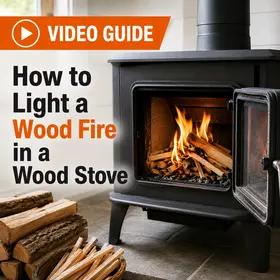
For example, smaller dry softwood pieces or dry kindling can help establish flame quickly. Once the fire is burning properly, denser hardwood can be added for a more sustained burn.
This approach can also help homeowners make good use of whatever properly seasoned local firewood is readily available.
Always operate the fireplace or wood stove according to its manufacturer's instructions rather than attempting to control the fire exclusively through wood choice.
Split Size Also Changes How Firewood Burns
Species gets most of the attention, but the physical size of each split matters too.
Small pieces have more exposed surface area relative to their volume and normally ignite faster. Larger pieces take longer to become fully involved and can extend the fire once good combustion has been established.
A practical wood supply therefore includes a range of sizes:
- Small dry kindling for establishing the fire
- Medium splits for building the fire
- Larger seasoned splits for sustained burning when appropriate for the appliance
Never overload a firebox. Follow the fireplace or stove manufacturer's operating instructions for fuel size, loading practices, and air controls.
How to Store Firewood So It Stays Dry
Even properly seasoned firewood can perform poorly if it is stored where it continually absorbs moisture.
Good firewood storage generally allows air to circulate while protecting the wood from persistent precipitation. Keeping the pile elevated from wet soil can also help prevent moisture from moving into the lower courses of wood.
The EPA recommends storing firewood outdoors, off the ground, with protection over the top while allowing the sides to remain ventilated.
Firewood, Creosote, and Chimney Maintenance
Creosote is associated with wood-burning venting systems and should be taken seriously. Fuel quality is one part of reducing smoky, inefficient combustion, but proper fireplace or stove operation and chimney maintenance are equally important.
Dry firewood supports hotter, cleaner combustion compared with wet wood. However, changing wood species is not a substitute for maintaining the chimney, stovepipe, or venting system.
Chimneys and wood-burning venting systems should be inspected regularly by a qualified professional and cleaned when needed. If you notice unusual smoke behavior, draft changes, strong odors, visible deposits, damage, or other operating problems, stop assuming that changing firewood will solve the problem and have the system evaluated.
How to Choose Firewood When Buying It
When purchasing firewood, species is only one question worth asking. Buyers should also consider:
- Whether the wood is sold as seasoned or kiln-dried
- Actual moisture condition
- Whether the wood is clean and untreated
- Species or species mix
- Split size
- Quantity being purchased
- Delivery and stacking arrangements
- How and where the wood has been stored
Terms such as “seasoned” can describe how firewood is marketed, but a moisture meter provides more useful information about whether individual pieces are actually dry enough to burn well.
Common Firewood Mistakes
Choosing Wood Only by Species
A load of wet oak is not automatically a better fuel choice than properly dried wood from another suitable species. Moisture condition matters enormously.
Assuming Cracked Ends Mean the Wood Is Ready
Cracks can indicate drying, but they are not a moisture measurement. Test representative pieces when moisture is uncertain.
Covering an Entire Woodpile With a Tarp
Protection from rain is useful, but wrapping a woodpile tightly can restrict airflow and trap moisture. The goal is protection combined with ventilation.
Burning Construction Scraps
Unless you know exactly what the material is and know that it is appropriate fuel, do not assume leftover lumber belongs in your fireplace or stove.
Blaming Every Chimney Problem on Softwood
Wood species alone does not explain combustion or chimney performance. Wet fuel, poor draft, incorrect appliance operation, inadequate combustion air, and maintenance problems can all contribute to poor burning.
Firewood and Fireplace or Stove Glass
Firewood quality can also affect the burning environment behind your fireplace or stove glass. Wet fuel and poor combustion can create a smokier fire, while dry wood and proper appliance operation generally support cleaner combustion.
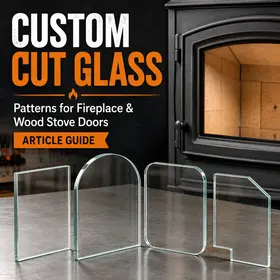
If your wood-stove or fireplace glass has become damaged, permanently etched, cracked, or broken, replacing it requires identifying the correct glass material, dimensions, and application. Wood-burning appliances can require specialized heat-resistant glass or ceramic products; ordinary household window glass should not be substituted.
For additional guidance, see our stove and fireplace glass education resources, learn how to measure replacement fireplace or stove glass, or browse the appropriate replacement stove and fireplace glass options.
Frequently Asked Questions About the Best Firewood
What is the best overall wood to burn in a fireplace?
There is no single best species for every fireplace. Dense hardwoods such as oak, hickory, maple, and ash are popular for sustained fires, but the more important requirement is that the wood be clean, untreated, properly seasoned, and suitable for the fireplace.
What is the best wood to burn in a wood stove?
Properly seasoned hardwood is often preferred for extended heating because dense wood generally provides longer burn duration per piece. Dry softwood can also be useful, particularly for starting fires. Always follow the stove manufacturer's fuel and operating instructions.
What moisture content should firewood have?
EPA guidance recommends properly dried firewood with a moisture content of approximately 20% or less for efficient burning.
Can I burn pine in a fireplace?
Properly seasoned pine can be burned in many wood-burning fireplaces. Pine ignites readily and generally burns faster than dense hardwood. Confirm any fuel restrictions in the fireplace or appliance manufacturer's instructions.
Does pine automatically cause creosote?
Pine should not automatically be treated as unacceptable firewood simply because it is a softwood. Moisture content, combustion conditions, draft, operating practices, and chimney maintenance all matter. Dry fuel and proper operation are more useful considerations than simply excluding every softwood species.
Can hardwood and softwood be burned together?
Yes, when both are appropriate for the appliance and properly seasoned. Dry softwood or smaller splits can help establish a fire, while denser hardwood can provide a longer sustained burn.
How can I tell whether firewood is seasoned?
Dry wood may be lighter, show checking or cracks, and sound sharper when struck together, but these signs are not definitive. A moisture meter provides a better way to evaluate whether the wood has dried sufficiently.
How long does firewood need to season?
Drying time varies with species, initial moisture, split size, climate, airflow, stacking method, and storage conditions. Rather than relying exclusively on a calendar, use moisture content to determine whether the wood is ready to burn.
Can I burn painted or pressure-treated lumber?
No. Painted, pressure-treated, chemically coated, or otherwise contaminated wood should not be treated as ordinary firewood. Household trash and plastics should also stay out of wood-burning fireplaces and stoves.
How often should a chimney be inspected?
Current chimney-safety guidance recommends annual inspection of chimney and venting systems, with cleaning and repairs performed as needed based on the condition of the system and how it is used.
The Bottom Line: Dry Wood Is Good Wood
If you are deciding what wood to burn in a fireplace or wood stove, start with condition before species. Choose clean, untreated, properly seasoned firewood and confirm that the fuel is appropriate for your particular fireplace or appliance.
Dense hardwoods such as oak, maple, ash, and hickory are useful when longer-lasting heat is the goal. Properly dried softwoods such as pine and fir can be valuable for quick ignition and shorter fires. Mixing the two can work well when done within the operating requirements of the appliance.
Most importantly, do not try to compensate for wet fuel, poor draft, improper operation, or a neglected chimney by searching for a supposedly perfect species of wood. Good firewood, correct appliance operation, and proper chimney maintenance work together to create a cleaner, more reliable wood-burning experience.
No posts found